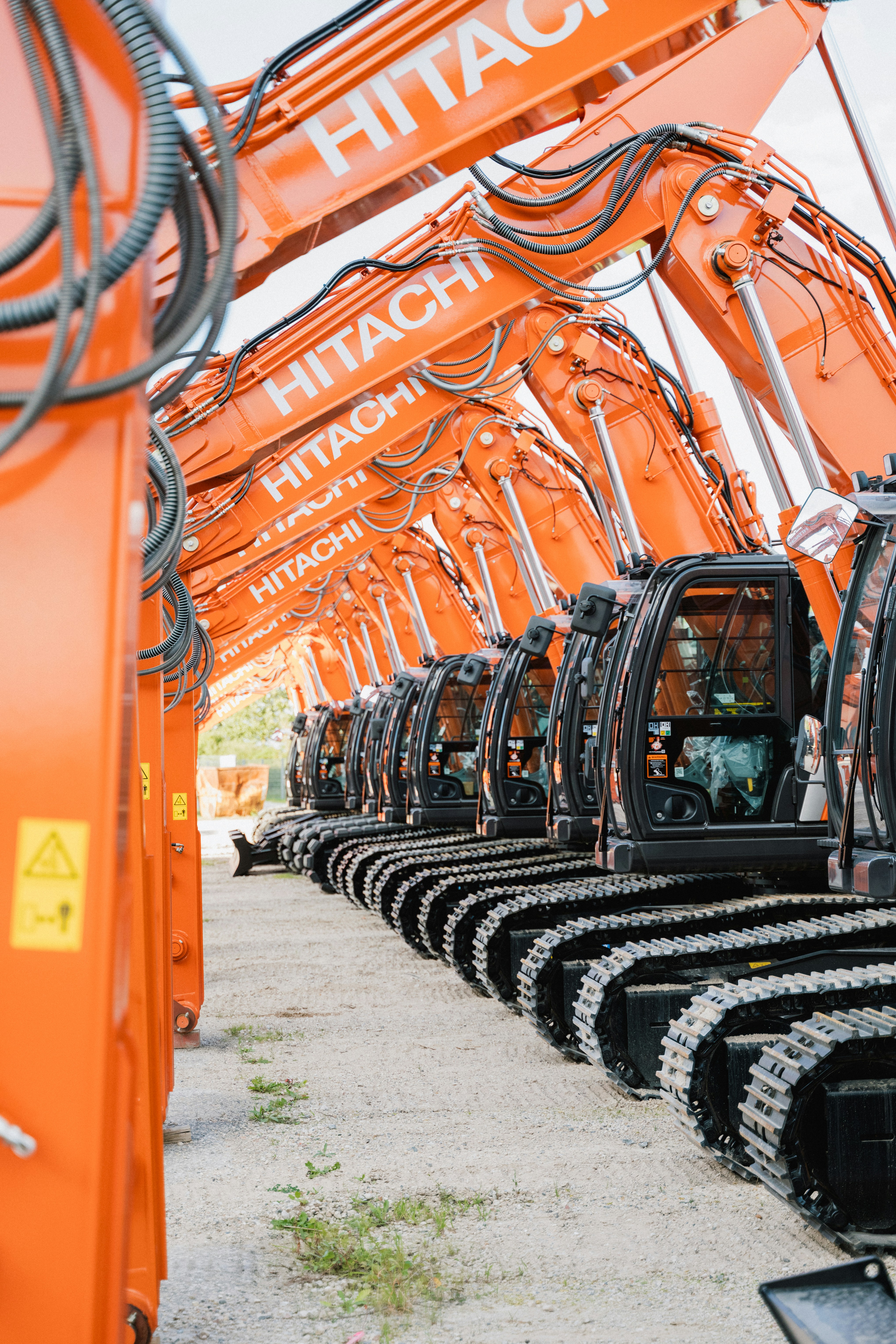
A mini excavator is ideal for residential landscaping, utility trenching, farm work, and tight urban sites. When buying used, focus on the right class for your job, attachment compatibility, and verified mechanical condition—not only the price tag.
1. Decide these 3 points first
- Work type: digging, loading, grading, light demolition support
- Site limits: access width, overhead clearance, soft ground
- Required capacity: bucket size, dig depth, tail swing
2. Class comparison
| Class | Weight guide | Best for | Notes |
|---|---|---|---|
| Ultra-compact (1–2 t) | Approx. 1–2 tons | Gardens, utilities, narrow sites | Easy transport; lower digging force |
| Compact (3–5 t) | Approx. 3–5 tons | General civil & landscaping | Most popular balance of power/size |
| Large mini (6–8 t) | Approx. 6–8 tons | Higher volume digging | More capability; check transport access |
3. Used-machine checklist
| Item | What to check | Why it matters |
|---|---|---|
| Operating hours | Hour meter reading | Hours + service history decide value |
| Engine | Start-up, smoke, abnormal noise | Cold start reveals hidden issues |
| Hydraulics | Oil leaks, cylinder scoring | Repairs can erase “bargain” pricing |
| Undercarriage | Shoes, rollers, sprockets | Worn undercarriage is expensive |
| Attachments | Bucket, breaker, forks | Must match your actual work |
4. How Minami Kenki helps
We supply inspected mini excavators with on-site viewing, test operation support, nationwide transport, and trade-in/buyback options. If you are unsure which class fits your site, share your application and budget—we will recommend suitable units.
Next steps
- Browse mini excavator inventory
- Book an inspection for shortlisted machines
- Request a quote including preparation and delivery
Need help choosing equipment?
Tell us your work site, budget, and target machine. We will suggest suitable stock and arrange inspection.
Ask an Expert Inventory